



 Send Inquiry
 Send Inquiry
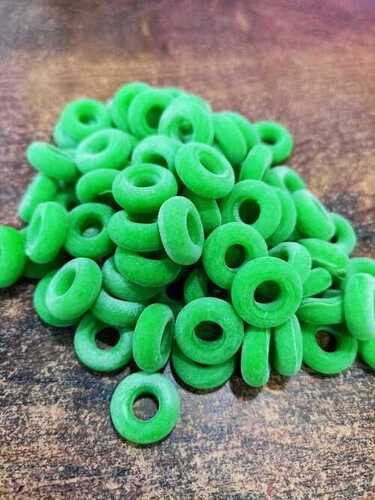
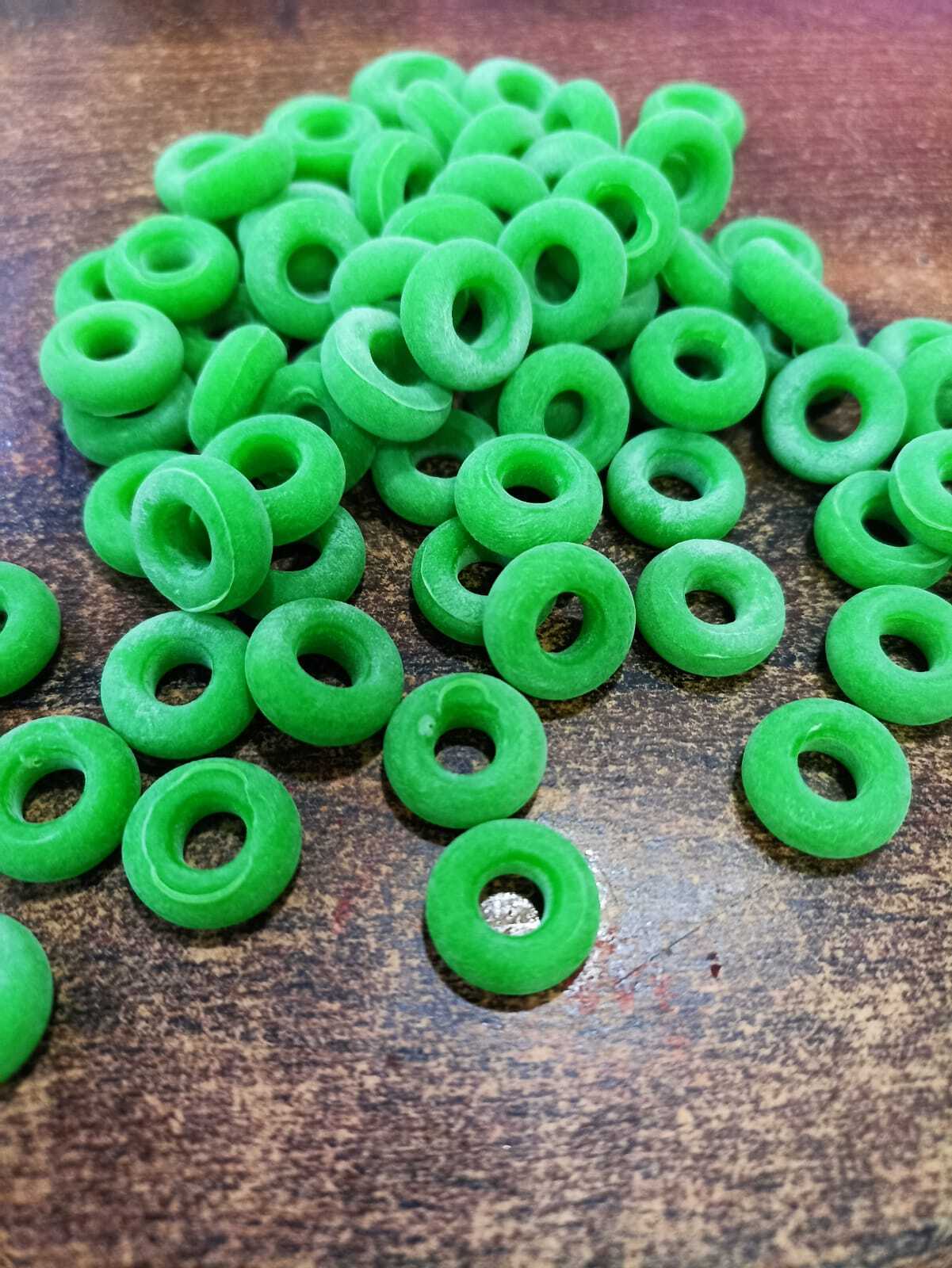
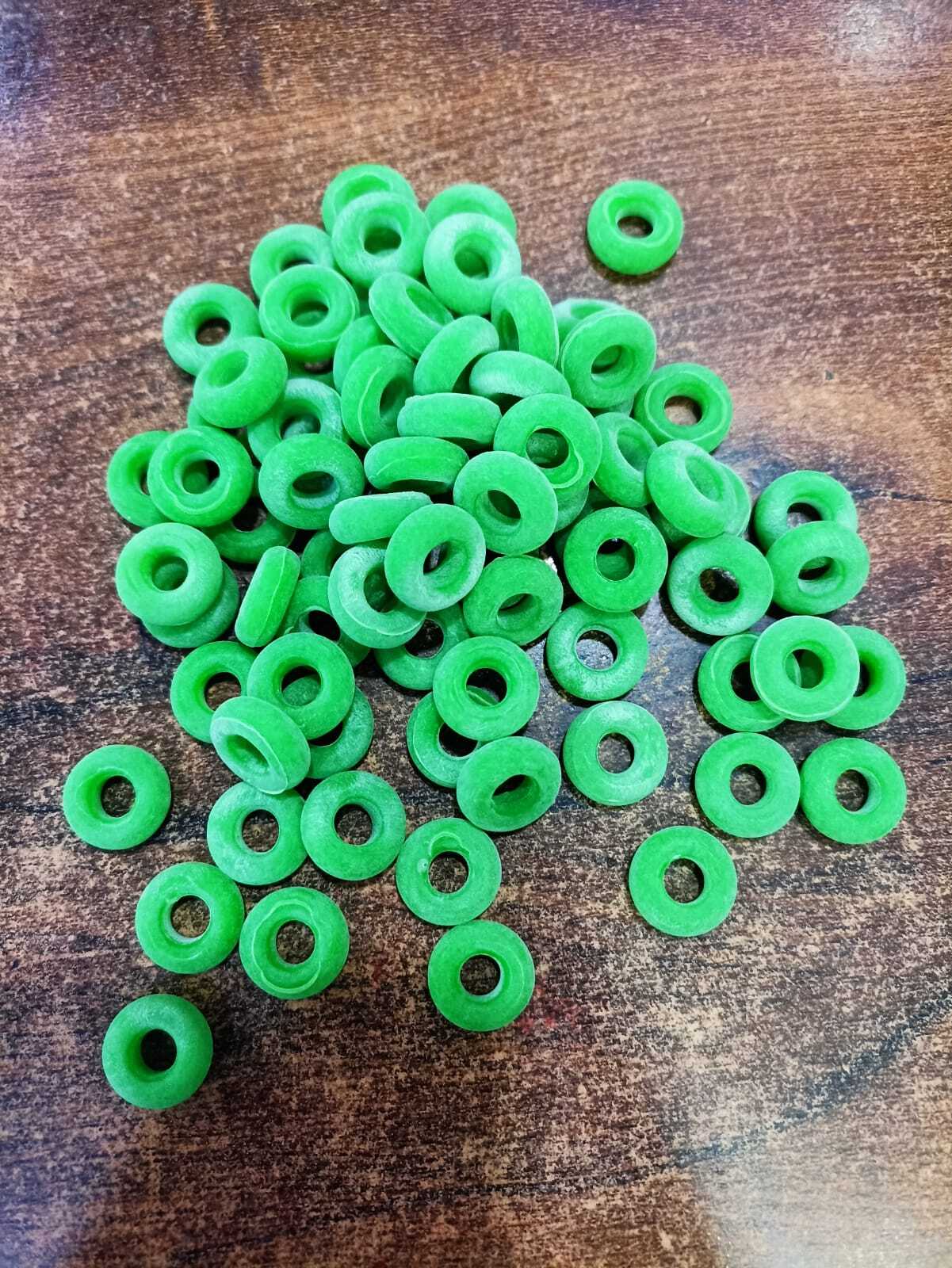
Castrating Rubber Rings
Price 7 INR/ Piece
Castrating Rubber Rings Specification
- Product Type
- Castrating Rubber Rings
- General Use
- Livestock castration
- Material
- Rubber
- Type
- Disposable/Single Use
- Capacity
- Pack of 100/500/1000 rings
- Weight (kg)
- Negligible, lightweight
- Computerized
- No
- Automatic
- No
- Control System
- Manual application
- Cleaning System
- Single Use - No cleaning required
- Sterilization Method
- Not pre-sterilized
- Dimension (L*W*H)
- Each ring approx. 6-7 mm (inner diameter, unstretched)
- Feature
- Elastic, high-tensile, easy application
- Color
- Green (other colors may be available)
- Storage Instructions
- Store in a cool, dry place, away from direct sunlight
- Application Method
- Used with an elastrator tool
- Standards
- Veterinary grade
- Shelf Life
- Long shelf life if stored properly
- Elasticity
- Can be stretched safely to fit over livestock scrotum or tail
- Odor
- Low odor
- Safety Precautions
- Check integrity before use; do not reuse
- Intended Species
- Sheep, goats, cattle, and other livestock animals
- Package Type
- Sealed polybag or boxed
- Non-Toxic
- Yes
- User Instructions
- Designed for quick and humane castration or docking; professional guidance recommended
Castrating Rubber Rings Trade Information
- Minimum Order Quantity
- 5 Pieces
- Delivery Time
- 3 Days
- Sample Policy
- Sample costs shipping and taxes has to be paid by the buyer
More Products in Goat And Sheep Farming Accessories Category
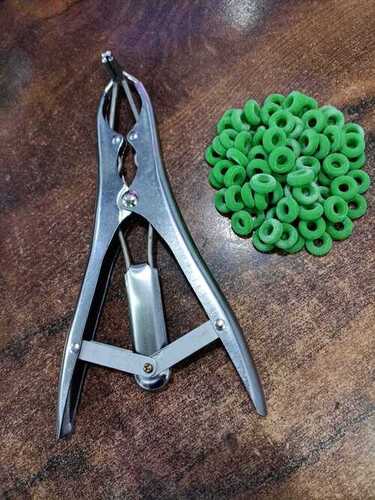
RING CASTRATOR WITH 100 RINGS ( SS )
Price 1700 INR / Piece
Minimum Order Quantity : 1 Piece
Product Type : Ring Castrator with Rings
Material : Other, Stainless Steel (SS)
General Use : Veterinary, Livestock Castration
Color : Silver (Castrator), Green (Rings)
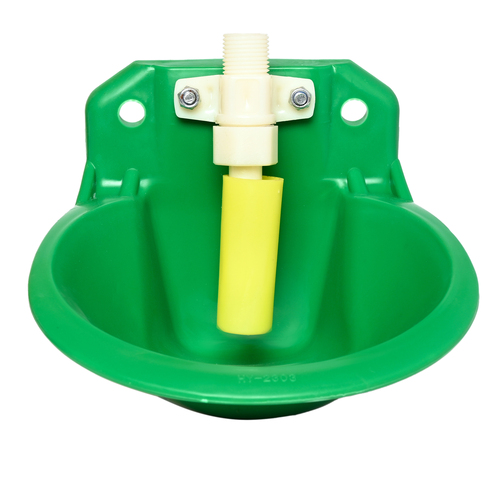
Automatic Goat Drinking Bowl ( Plastic Valve)
Price 750 INR / Piece
Minimum Order Quantity : 1 Piece
Product Type : Automatic Goat Drinking Bowl
Material : Other, Plastic
General Use : Livestock hydration
Color : Green and Yellow
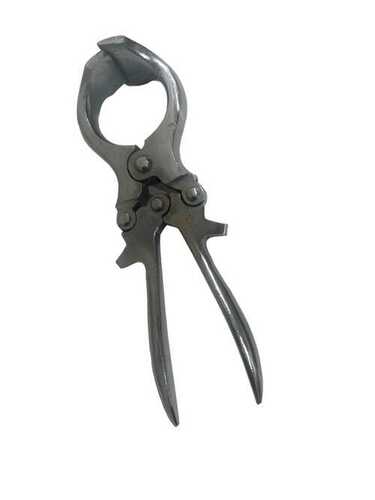
castration tool for goat 9 inches
Price 2500 INR / Piece
Minimum Order Quantity : 1 Piece
Product Type : castration tool
Material : Stainless Steel
General Use : goat and sheep
Color : silver
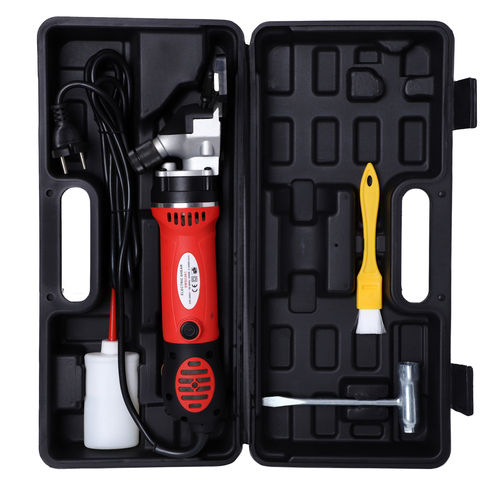
Sheep Hair Cutting Machine ( SWT001 )
Price 8500 INR / Piece
Minimum Order Quantity : 1 Piece
Product Type : sheep clipper
Material : Stainless Steel
General Use : hair cutting of sheep and goat
Color : Red

GST : 07ABBCS9742G1Z4

- Khasra No. 27/1, Main Najafgarh Road, Near Hanuman Murti, Kunwar Singh Nagar, Nangloi, New Delhi - 110041, India
- Phone :View Number

- Mr Govind Kumar (Director)
- Mobile :View Number
-
 Send Inquiry
 Send Inquiry
 Send Inquiry
 Send SMS
Developed and Managed by Infocom Network Private Limited.